
Als Fotograf lebe und arbeite ich in Berlin und weltweit. Biografien sind für mich keine linearen Erzählungen, sondern lebendige Strukturen, in denen sich Geschichte, Gesellschaft und individuelles Erleben untrennbar miteinander verschränken. In meiner fotografischen Arbeit interessieren mich die Brüche, Übergänge und Leerstellen innerhalb dieser Gefüge – jene Momente, in denen ein Leben plötzlich eine neue Richtung einschlägt.
As a photographer, I live and work in Berlin and internationally. I don’t see biographies as linear stories to be told from beginning to end. To me, they are dynamic structures where history, society, and personal experience intersect and fold into one another. My photographic work focuses on the subtle fractures, transitions, and absences within these structures — the moments when a life quietly, or abruptly, shifts course.
베를린을 기반으로 활동하며 국내외에서 작업하고 있다. 전기를 처음부터 끝까지 이어지는 하나의 이야기로 바라보기보다는, 역사와 사회, 개인의 경험이 서로 교차하고 겹쳐지며 형성되는 구조로 인식한다. 이러한 관점은 사진 작업 전반에 영향을 미치며, 작업은 그 구조 안에서 드러나는 미묘한 균열과 전환, 그리고 비어 있는 지점들에 시선을 둔다. 그 공백 속에서 한 삶은 조용히, 혹은 어느 순간 갑작스럽게 새로운 방향을 향해 움직이기 시작한다.
dongha.choe@gmail.com
+49 (0)176-70077956
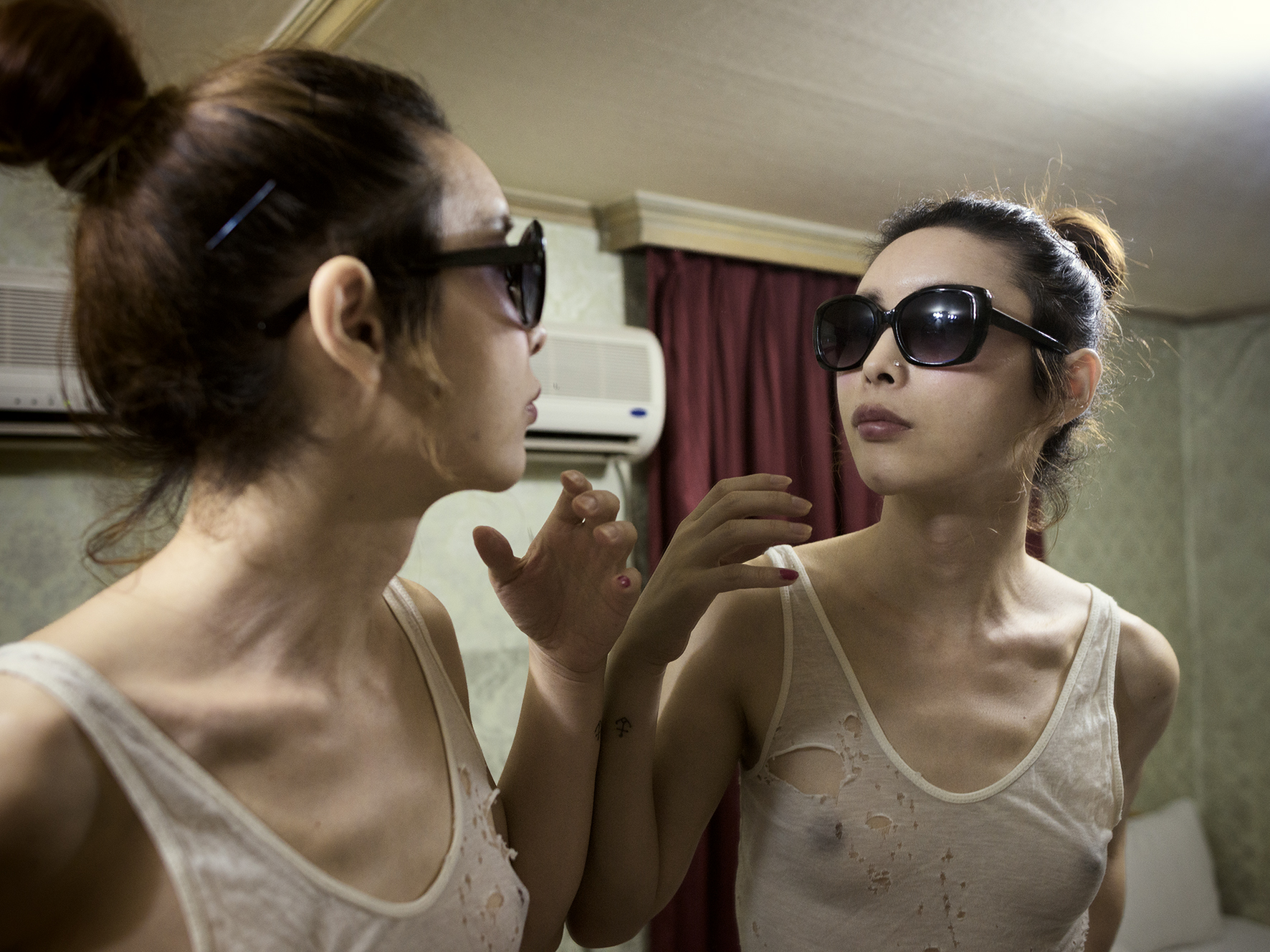
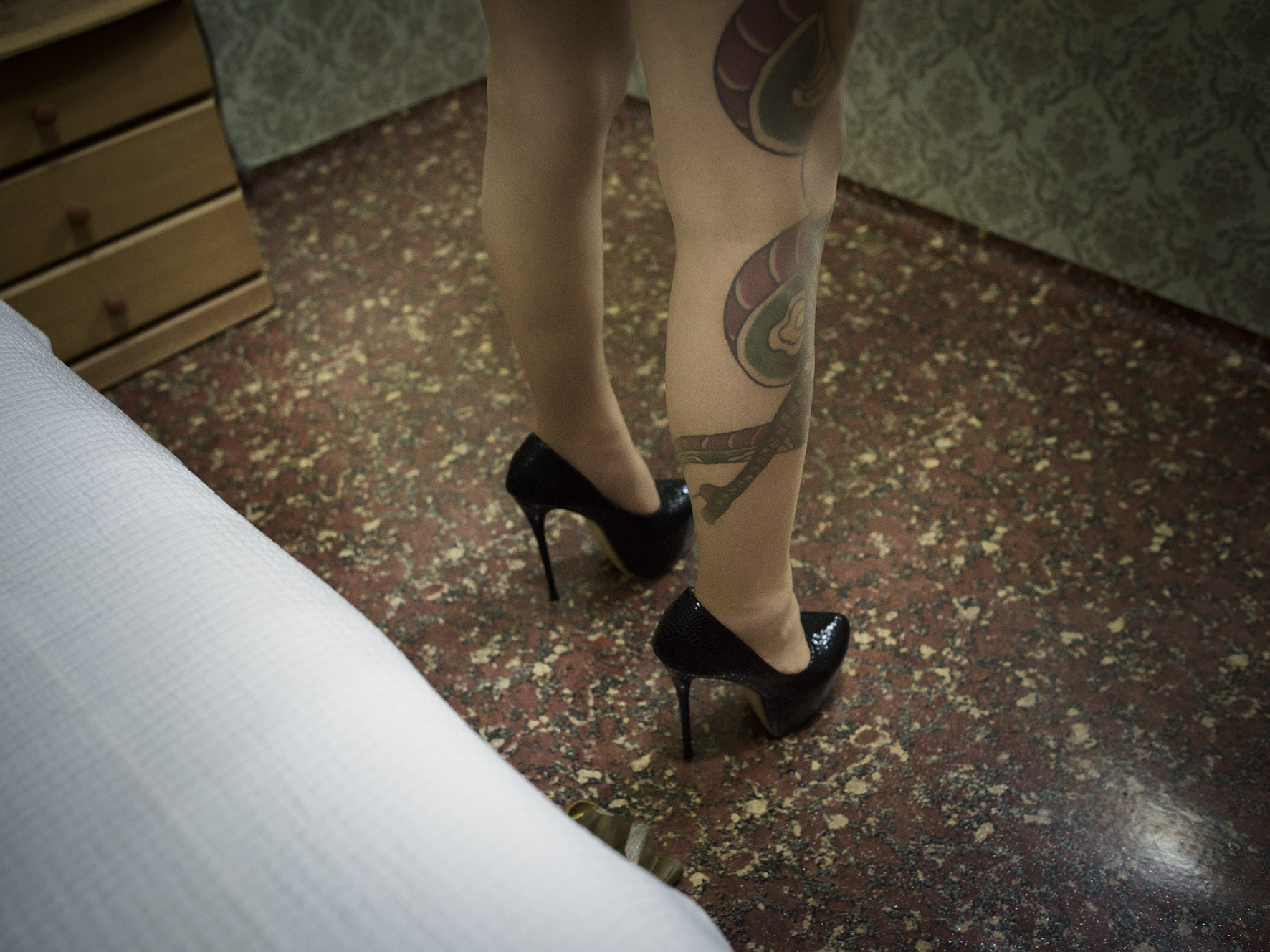
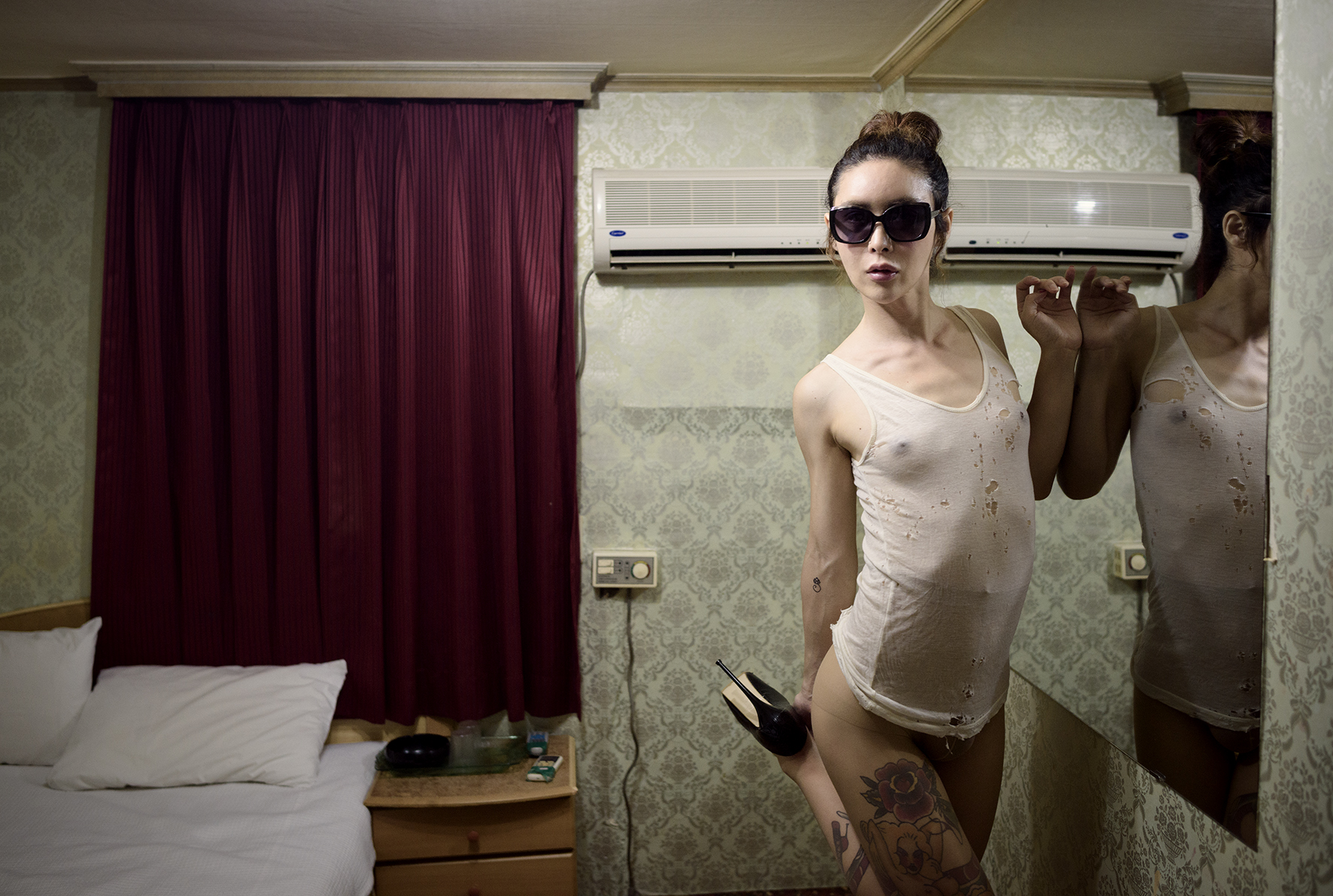
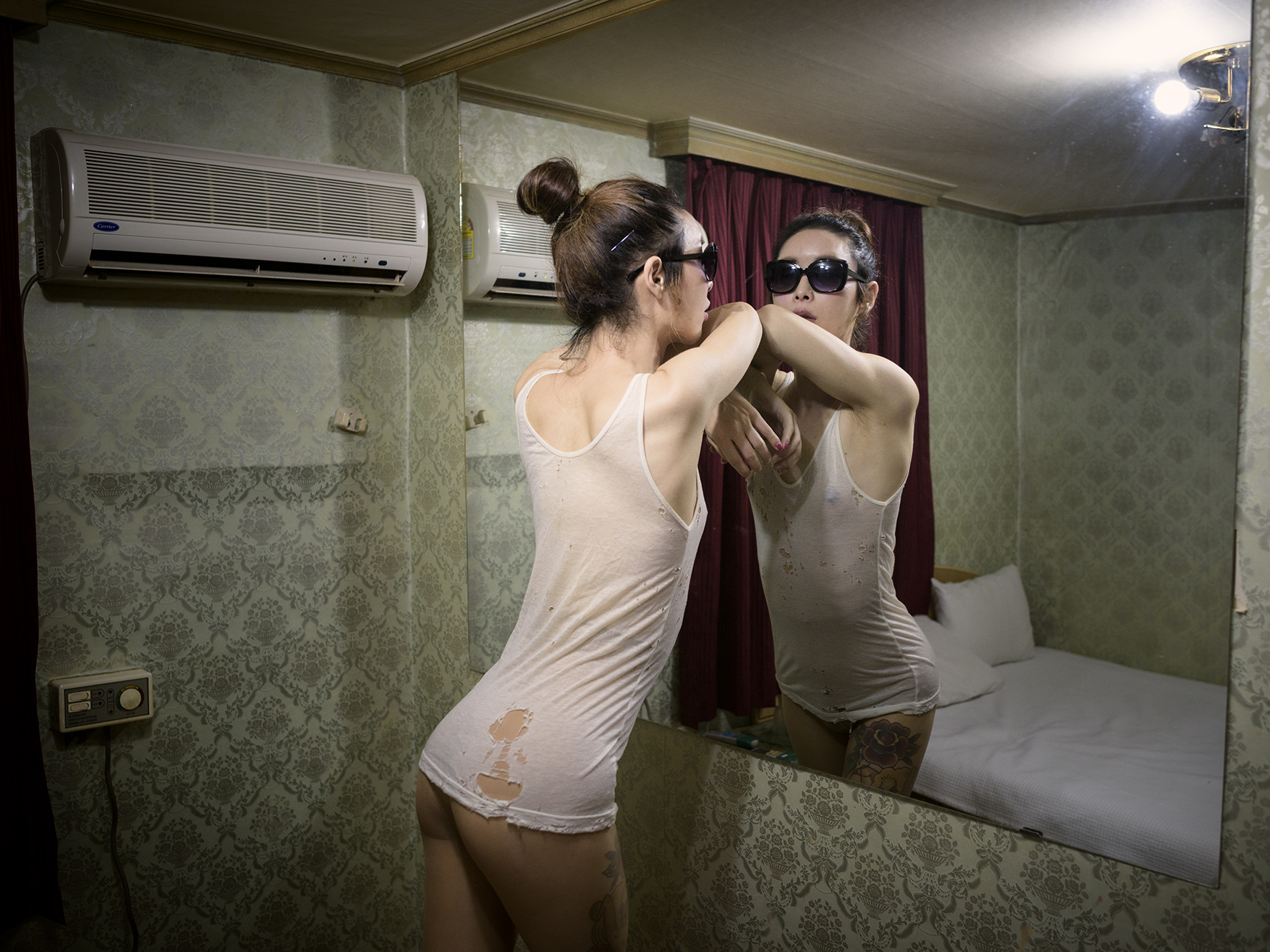
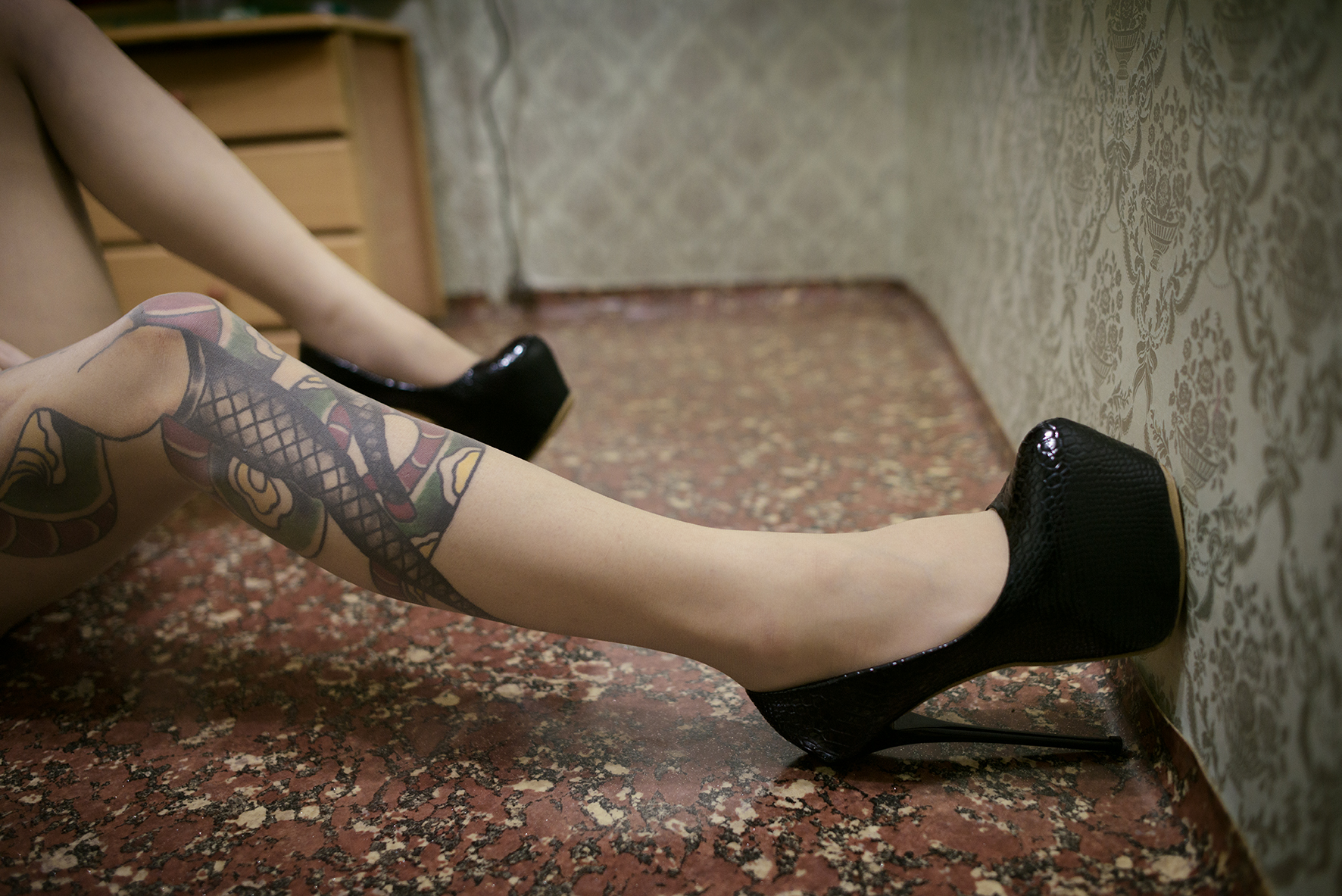
Hyori is a close friend of mine and currently lives in Seoul. She is a trans person and works as a hostess. When I first met her, she used the artist name “Hyori Whore.”
At first, this self-designation surprised me. It can be understood as a deliberate reappropriation of a stigmatizing term. By naming herself, she shifts the power of definition and challenges who gets to label and define. This gesture questions prevailing moral norms without idealizing or dramatizing sex work.
When I am in Korea, we meet regularly and work together on photographic projects.
Hyori grew up in Busan as the eldest son of two brothers. Her mother raised them on her own. At school, Hyori presented herself in a very masculine way and was frequently involved in fights, which gave her the reputation of being a “tough guy.”
In 2002, while still in middle school, her mother sent Hyori to the United States. She lived there for around fifteen years and trained as a hair and makeup artist.
Because of her impending conscription into military service in South Korea, Hyori eventually returned. At that time, she had not yet come out as trans. The prospect of military service caused her great anxiety, as it was clear that coming out afterward would still be possible, but much more difficult, given how profoundly the experience would shape her life.
Inspired by Harisu*, Hyori came out at the age of 25. During this period, she completely cut off contact with her family, assuming they would not understand and fearing that her situation would become a burden in their everyday lives. For four years, she had no contact with her mother and brother. Only later did she learn that her mother had been desperately searching for her during that time.
They have since found their way back to each other and now share a very close relationship.
* Harisu is still regarded as a key figure in the history of transgender visibility in South Korea. At a time when trans identities were barely visible and strongly stigmatized in society, she became the first openly living trans woman to appear in the Korean mainstream. Her public coming-out and her rapidly growing presence as a singer, actress, and model in the early 2000s drew widespread attention and significantly shaped public perception.
Angaben gemäß § 5 TMG
Name: Dong-Ha Choe
Ort: Berlin, Deutschland
E-Mail: dongha.choe@gmail.com
Verantwortlich für den Inhalt nach § 55 Abs. 2 RStV: Dong-Ha Choe, Berlin
Haftungsausschluss
Die Inhalte dieser Website wurden mit größtmöglicher Sorgfalt erstellt. Für die Richtigkeit, Vollständigkeit und Aktualität der Inhalte kann jedoch keine Gewähr übernommen werden.
Diese Website enthält ggf. Links zu externen Websites Dritter. Auf deren Inhalte habe ich keinen Einfluss; für die Inhalte der verlinkten Seiten ist stets der jeweilige Anbieter oder Betreiber verantwortlich.
Urheberrecht
Alle auf dieser Website veröffentlichten Fotografien und Inhalte unterliegen dem Urheberrecht. Eine Vervielfältigung, Bearbeitung, Verbreitung oder sonstige Verwendung ist ohne vorherige schriftliche Zustimmung nicht gestattet.
Datenschutz (DSGVO)
Diese Website erhebt und speichert keine personenbezogenen Daten.
Wenn Sie mich per E-Mail kontaktieren, werden Ihre Angaben ausschließlich zur Bearbeitung Ihrer Anfrage verwendet und nicht an Dritte weitergegeben.
Diese Website nutzt keine Tracking-, Analyse- oder Profiling-Tools, sofern nicht ausdrücklich anders angegeben.