Als Fotograf lebe und arbeite ich in Berlin und weltweit. Biografien sind für mich keine linearen Erzählungen, sondern lebendige Strukturen, in denen sich Geschichte, Gesellschaft und individuelles Erleben untrennbar miteinander verschränken. In meiner fotografischen Arbeit interessieren mich die Brüche, Übergänge und Leerstellen innerhalb dieser Gefüge – jene Momente, in denen ein Leben plötzlich eine neue Richtung einschlägt.
As a photographer, I live and work in Berlin and internationally. I don’t see biographies as linear stories to be told from beginning to end. To me, they are dynamic structures where history, society, and personal experience intersect and fold into one another. My photographic work focuses on the subtle fractures, transitions, and absences within these structures — the moments when a life quietly, or abruptly, shifts course.
베를린을 기반으로 활동하며 국내외에서 작업하고 있다. 전기를 처음부터 끝까지 이어지는 하나의 이야기로 바라보기보다는, 역사와 사회, 개인의 경험이 서로 교차하고 겹쳐지며 형성되는 구조로 인식한다. 이러한 관점은 사진 작업 전반에 영향을 미치며, 작업은 그 구조 안에서 드러나는 미묘한 균열과 전환, 그리고 비어 있는 지점들에 시선을 둔다. 그 공백 속에서 한 삶은 조용히, 혹은 어느 순간 갑작스럽게 새로운 방향을 향해 움직이기 시작한다.
Contact
dongha.choe@gmail.com
+49 (0)176-70077956
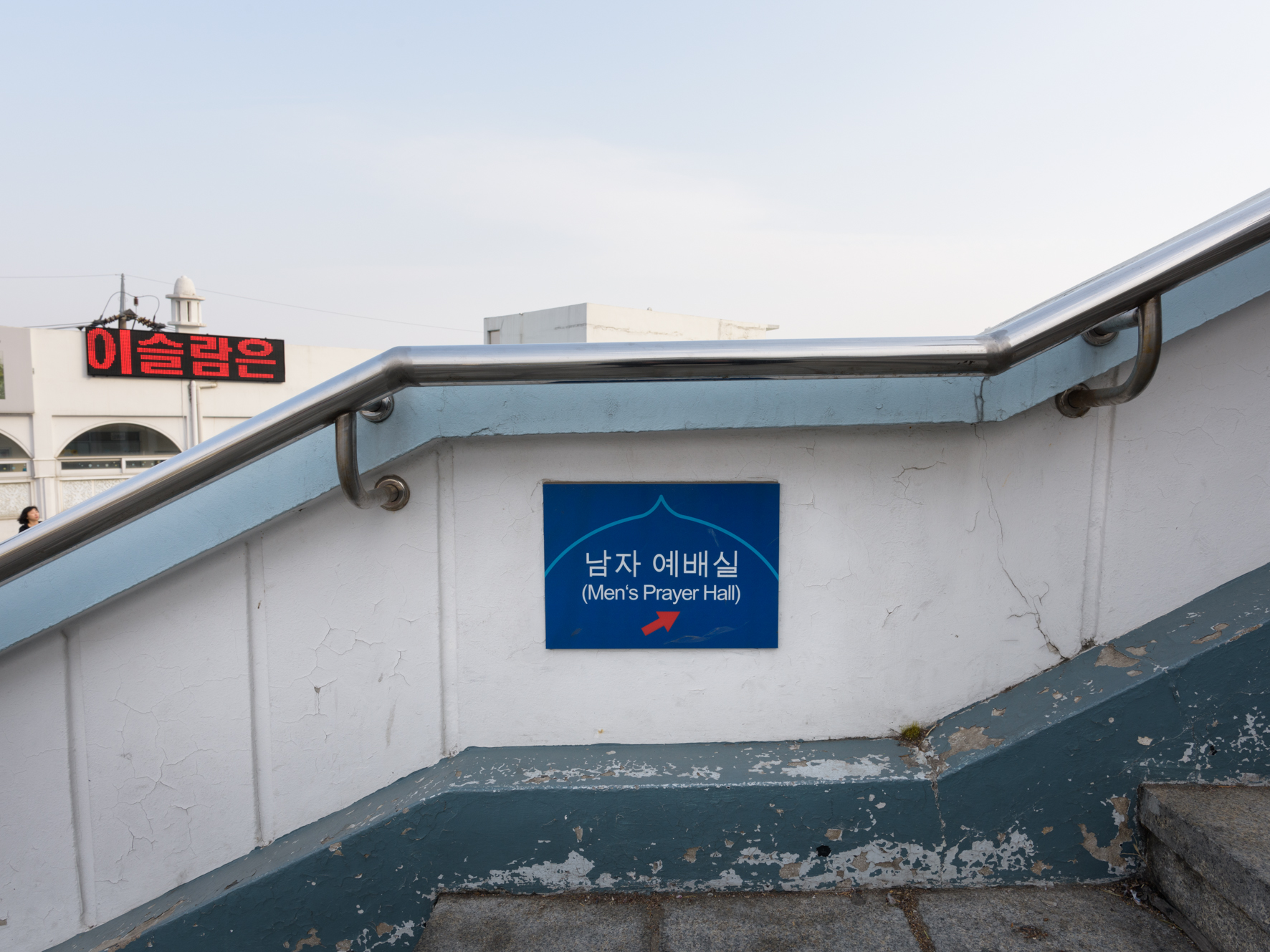
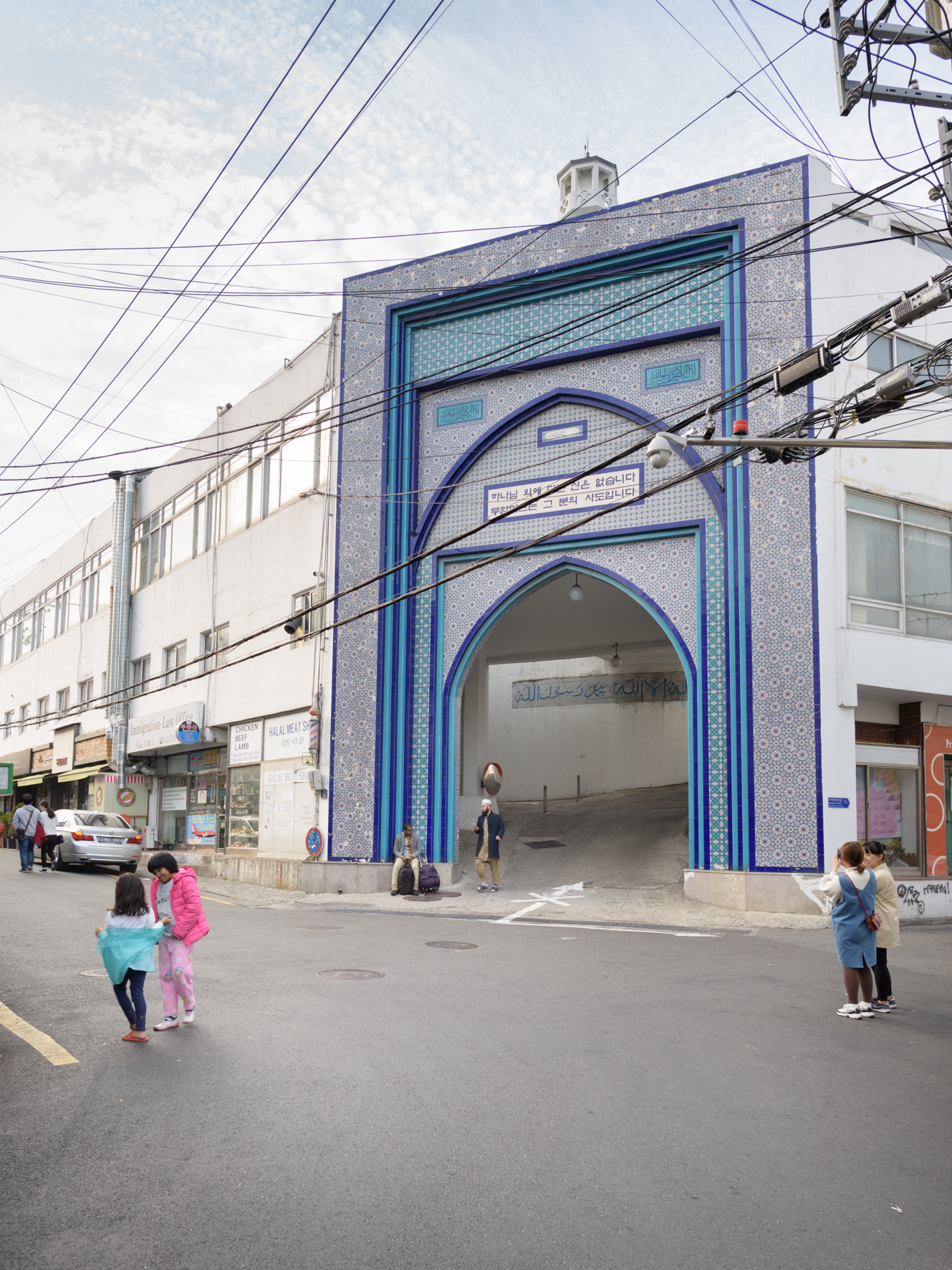
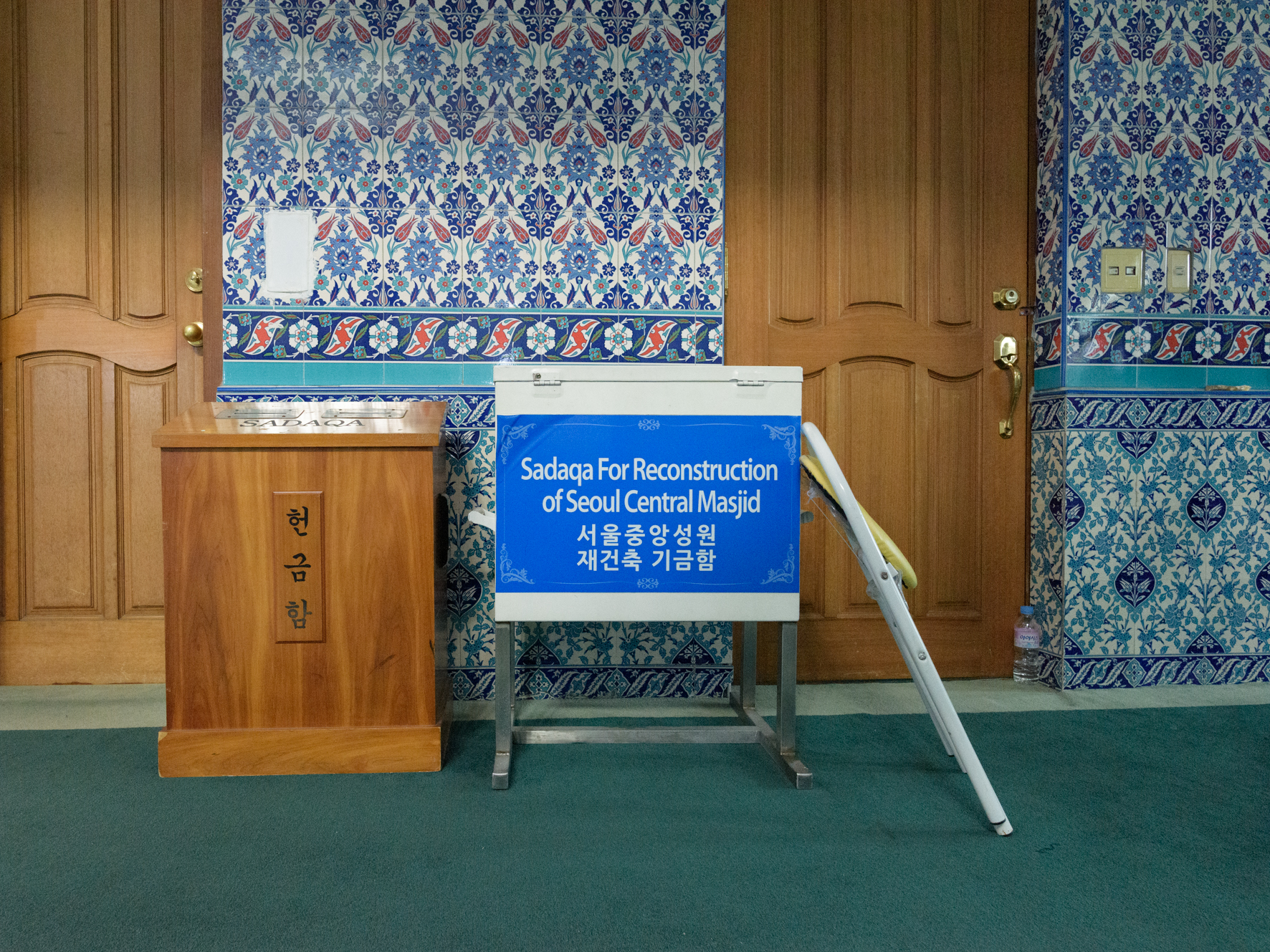
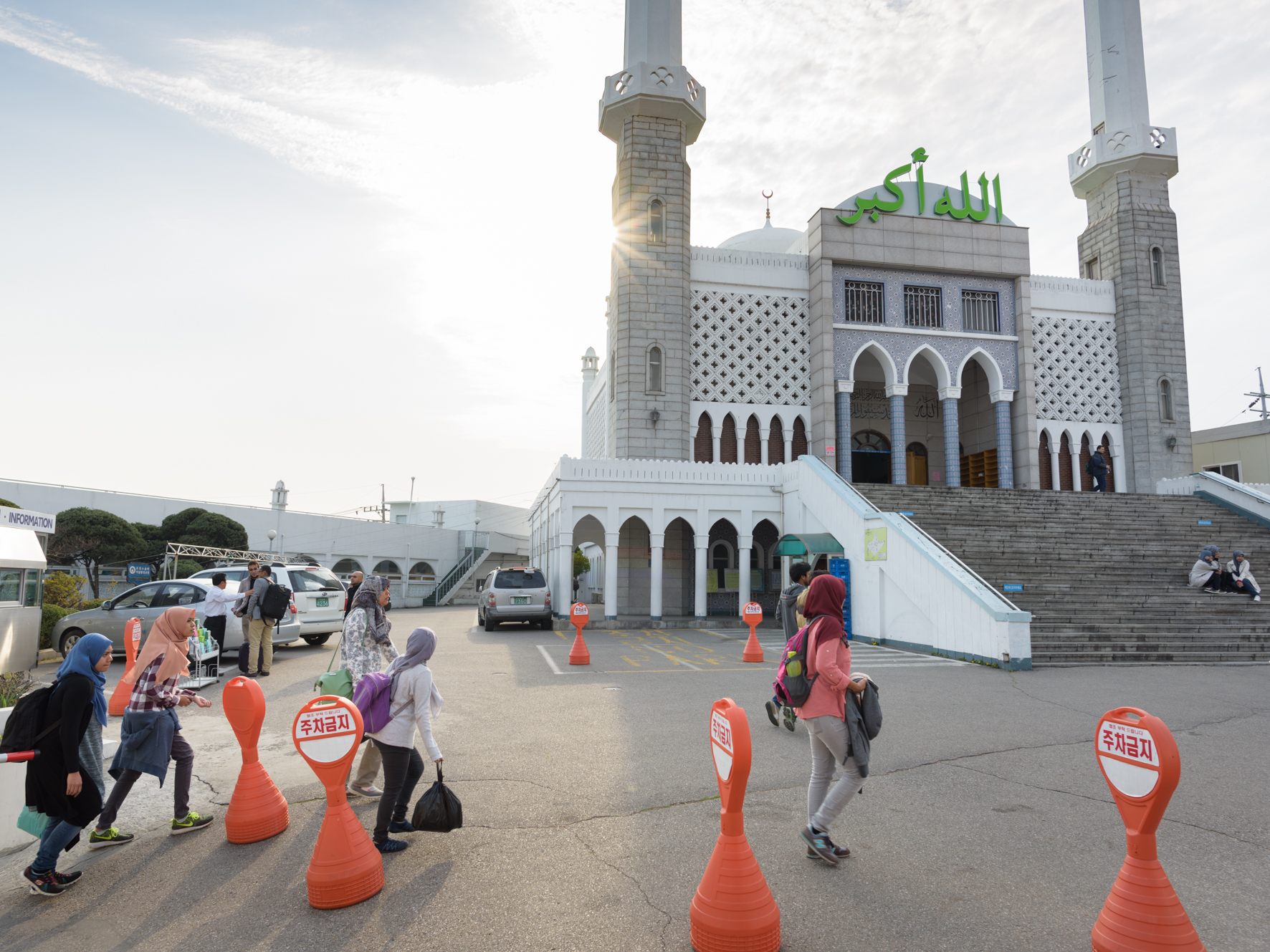
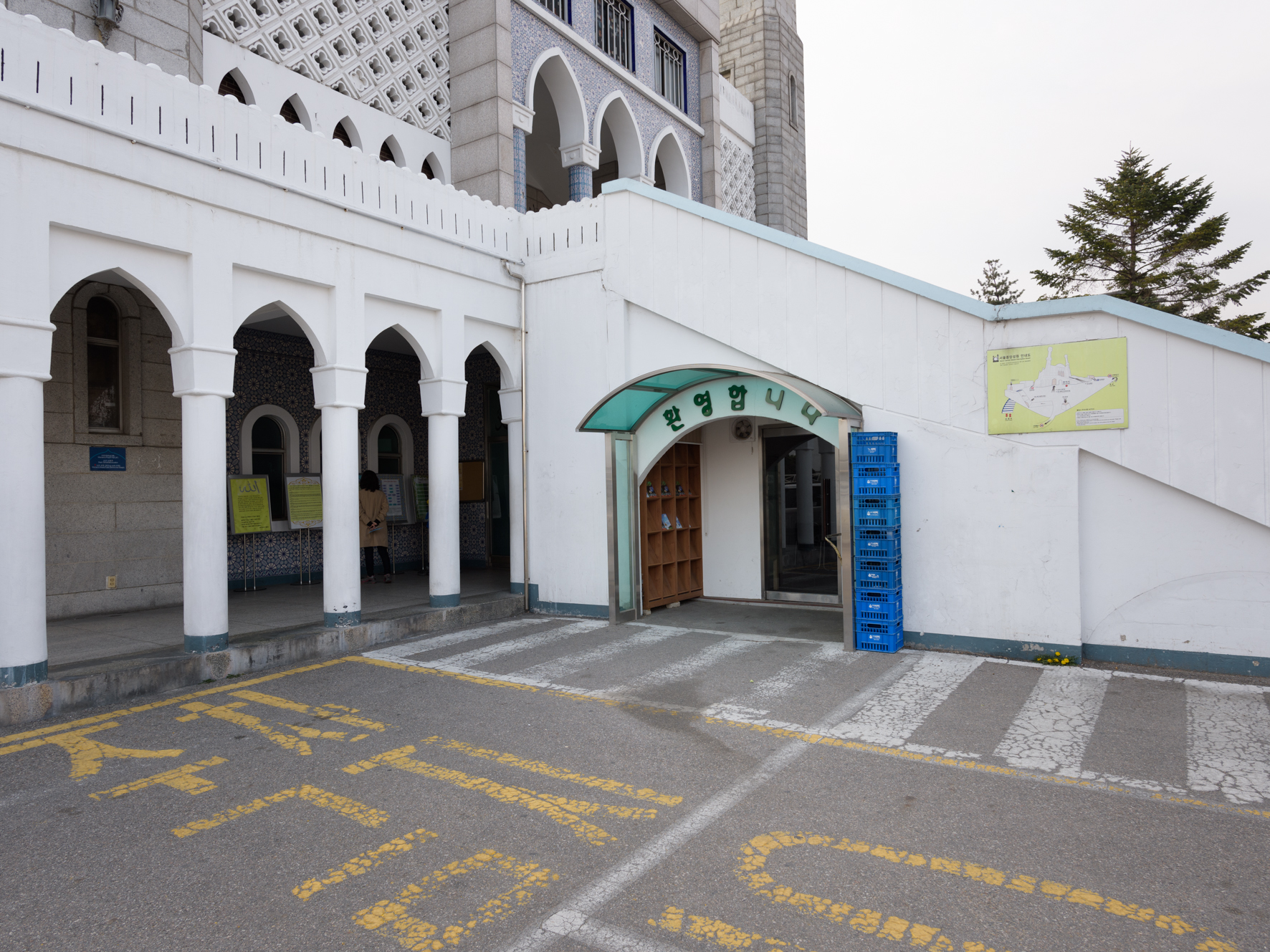
SEOUL CENTRAL MOSQUE
… Against the backdrop of the 1973 oil crisis and growing dependence on energy imports, the expansion of diplomatic relations with Muslim-majority countries gained strategic significance. Under Dictator Park Chung-hee, the construction of the mosque was politically enabled. The initiative originated within Korea’s Muslim community, while funding was provided primarily by international Muslim partners.
The mosque thus represents not only a place of religious practice, but also the entanglement of labor migration, foreign policy, and global economic relations in South Korea during the 1970s.